


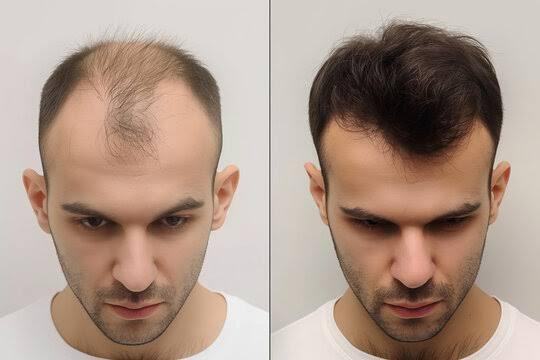
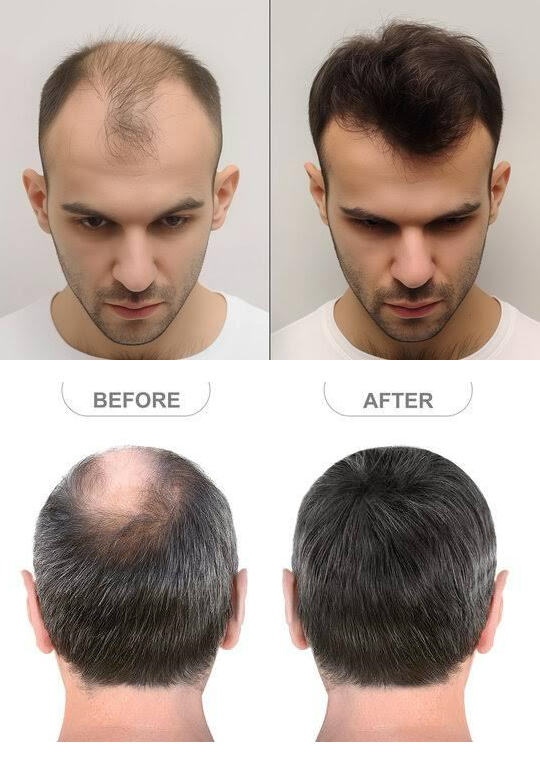
Hair fall, or hair loss, is a common concern for both men and women, with varying causes, patterns, and treatments. Below is a detailed overview, tailored to address hair fall in males and females, considering your previous queries about skin conditions like leucoderma, ringworm, and psoriasis, which may be related to scalp or systemic issues.
Overview of Hair Fall
- Definition: Hair fall refers to excessive shedding or loss of hair beyond the normal daily loss of 50–100 hairs. It can be temporary or permanent, depending on the cause.
- Patterns:
- Men: Often experience male pattern baldness (androgenetic alopecia), characterized by a receding hairline and thinning at the crown.
- Women: Typically experience diffuse thinning across the scalp (female pattern hair loss) or widening of the hair part, rarely leading to complete baldness.
Causes of Hair Fall
Causes vary by gender, but many are common to both men and women:
Common Causes in Both Genders
- Androgenetic Alopecia:
- Most common cause (70% of men, 40% of women by age 50).
- Men: Linked to dihydrotestosterone (DHT), a testosterone derivative, causing hair follicles to shrink.
- Women: Hormonal changes (e.g., menopause, PCOS) and genetics play a role; less DHT-driven.
- Telogen Effluvium:
- Temporary hair shedding due to stress, illness, childbirth, or nutritional deficiencies.
- Triggers: Emotional stress, surgery, rapid weight loss, or medications (e.g., antidepressants, beta-blockers).
- Nutritional Deficiencies:
- Lack of iron, zinc, biotin, vitamin D, or protein can weaken hair.
- Common in women with heavy menstrual cycles (iron deficiency) or restrictive diets.
- Scalp Conditions:
- Psoriasis: Scaly plaques on the scalp (from your previous query) can damage hair follicles if severe.
- Ringworm (tinea capitis): Fungal infection causing patchy hair loss, more common in children but possible in adults.
- Seborrheic Dermatitis: Dandruff-like condition causing scalp inflammation and hair fall.
- Leucoderma/Vitiligo: Rarely causes hair loss unless associated with autoimmune conditions like alopecia areata.
- Autoimmune Conditions:
- Alopecia Areata: Immune system attacks hair follicles, causing patchy hair loss in both genders.
- Linked to other autoimmune disorders (e.g., vitiligo, thyroid disease).
- Hormonal Imbalances:
- Men: High DHT levels or thyroid issues.
- Women: Polycystic ovary syndrome (PCOS), menopause, pregnancy, or thyroid disorders.
- Medications and Treatments:
- Chemotherapy, antidepressants, or blood thinners can cause hair shedding.
- Lifestyle Factors:
- Stress, smoking, poor sleep, or excessive hair styling (traction alopecia from tight hairstyles).
- Infections or Illness:
- Fungal infections (e.g., ringworm) or systemic illnesses like diabetes or lupus.
Gender-Specific Causes
- Men:
- Male Pattern Baldness: Genetic sensitivity to DHT, leading to receding hairline and crown thinning.
- Prostate Medications: Some drugs (e.g., finasteride) can paradoxically affect hair growth if misused.
- Women:
- Postpartum Hair Loss: Common after childbirth due to hormonal shifts.
- Menopause: Estrogen decline thins hair.
- PCOS: Excess androgens cause hair thinning on the scalp and excess hair on the face/body.
- Traction Alopecia: More common in women due to tight hairstyles (e.g., braids, ponytails).
Symptoms
- Men: Receding hairline, thinning crown, or partial/complete baldness in advanced stages.
- Women: Diffuse thinning, wider hair part, or reduced ponytail volume; rarely full baldness.
- General: Excessive hair on pillows, brushes, or shower drains; patchy bald spots (alopecia areata); scalp itching or scaling (if linked to psoriasis/ringworm).
Diagnosis
- Medical History: Assess family history, diet, stress, medications, or hormonal changes.
- Physical Exam: Scalp inspection for inflammation, scaling (e.g., psoriasis, ringworm), or bald patterns.
- Tests:
- Pull Test: Gently pulling hair to assess shedding.
- Blood Tests: Check for iron, ferritin, thyroid function, or vitamin deficiencies.
- Scalp Biopsy: For suspected psoriasis, ringworm, or alopecia areata.
- Trichoscopy: Magnified imaging of hair follicles.
